DEVOTION
We tend to think of devotion as something grand. A declaration. A lifelong commitment. Something sacred.
But devotion can be much more practical and grounded in your everyday.
It's what we return to. What we make time for. What we protect, nurture, and give our attention to, even when no one else is watching.
Devotion isn't only about what we love. It's also about how we live in relationship to what matters to us.
You might think of devotion as something you proclaim out loud.
Yet more often, it’s what you whisper to yourself—
In the in-between moments,
The ordinary rituals,
The choices no one else sees.
Not just a chant, or something sacred on a cushion.
Not only for ashrams or declarations.
It’s practical. Embodied. Yours.
Here’s one simple, poetic truth I’ve found to be quietly life-changing:
“Attention is the beginning of devotion.” —Mary Oliver
Journal Prompts: Attention → Devotion
These prompts are here to help you notice where your attention has been going—and where your devotion is quietly asking to be reclaimed.
Where has your attention been drawn lately—internally and externally?
(What have you been thinking about, tending to, worrying over, avoiding, or chasing?)How is that attention aligned with your devotion—your self-loyalty, care, or commitment?
(Has it been pulling you toward what you truly desire—or away from it?)What might shift if your attention followed your truest devotion?
(How might you feel in your body? How could it impact your relationships? What could you let go of?)What do you want to devote yourself to this week—gently, quietly, clearly?
(Not sure? Look to what we call your compass—your inner architecture.Something within your body, your rest, your nourishment, your movement, your connection, your mind?)What has devotion looked like for you in the past—maybe even before you called it that?
(Was it showing up? Returning? Protecting something? Let this reflection guide what you place on your altar this week.)
A Practice in Two Parts
This week’s practice is expressed through what you gather—and what you build.
✧ Practice One: The Objects of Attention
A Sensory Scavenger Hunt
You can gather from wherever you are:
your desk, your garden, your balcony, your backyard, a kitchen drawer, a public park, a beach, a mountain trail, or the edge of a river.
What pulls you in?
What carries memory, meaning, beauty—or a whisper of something you need?
What smells like, feels like, looks like, tastes like summer to you—fresh basil? Salt? Rainwater? Beeswax? Tomato leaves?
You’re invited to gather seven objects over the next few days—
One for each day of the week. One for each layer of you. One for each devotion you're ready to name.
Each should reflect something personal:
A desire. A truth. A part of you that’s coming back into focus.
→ Not sure what to choose? Look to your compass—your inner architecture.
The wellness that’s been waiting for your care: how you nourish, move, rest, connect, or think.
Here’s your scavenger list—follow it loosely, or make it your own:
Something that brings you peace
Something that reminds you of who you were
Something that represents what you want more of
Something from nature
Something you almost threw away
Something you keep returning to
Something that feels sacred—just to you
Ideas might include:
• A stone, feather, flower, or shell
• A note from someone you love
• A scent, a key, a photo, a piece of jewelry
• A scrap of fabric or something broken but beautiful
As you collect, pause and ask:
— Why this?
— What does it reflect back to me?
— What part of my attention—or devotion—does it hold?
This can be a quiet ritual of noticing.
A gentle recalibration.
A way to bring meaning back into view.
And once you’ve gathered what draws you—
you’ll be ready to create the space that holds it.
If you’re tired of keeping your own page folded, let’s talk.
I take on a few people at a time, and I’ll be honest about whether I’m the guide who can help you break the rule you’re currently stuck in.
[Schedule a 30-minute conversation}
MEET YOUR GUIDE
My approach has been shaped by taking risks and living through more turning points than I planned for.
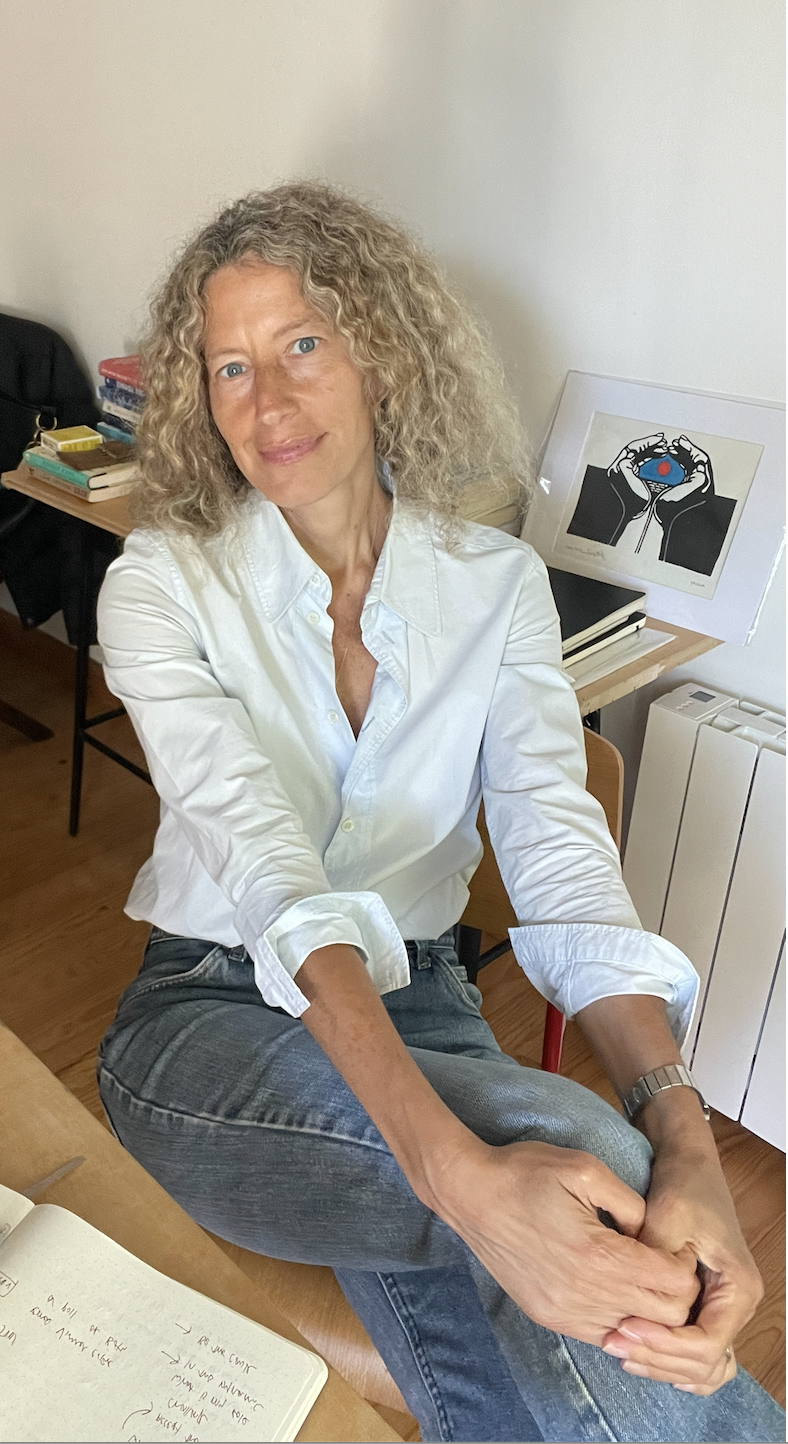
Through career changes and living across continents,
I’ve had to find my way forward more than once without a clear next step
I’ve abandoned myself in more small ways than I can count. And I’ve found my way back not despite that, but because of it.I know this terrain.
Over the years, I've also had the privilege of walking alongside people through these same moments. And my training naturally followed.
Training with leading institutions in behavior change theory, nervous system science, and functional medicine health coaching gave me language and structure for what I was witnessing every day.
It all pointed to the same truth:
The gap between what you know
how you actually live.
My work is helping you close it.